Ready for more house, but not sure which kind of “more” actually fits your life in Liberty? That question trips up a lot of move-up buyers, especially when your next step is not just about adding bedrooms. In Liberty, your decision often comes down to balancing space, location, school assignment, commute, neighborhood style, and future upkeep. This guide will help you sort through those choices so you can move with more confidence. Let’s dive in.
Start With Your Real Reason for Moving
A move-up home should solve problems your current home no longer handles well. You may need more room, a different layout, a shorter commute route, or easier access to parks and daily errands. The key is to define what matters most before you fall in love with a listing.
Liberty gives you several very different living options within one city. The city describes Liberty as a mix of historic downtown areas, older tree-lined streets, and growing development on the western edge. That means your next home search is less about finding a bigger house and more about finding the right fit for how you live now.
Compare Liberty Neighborhood Types
Newer Areas on the Western Edge
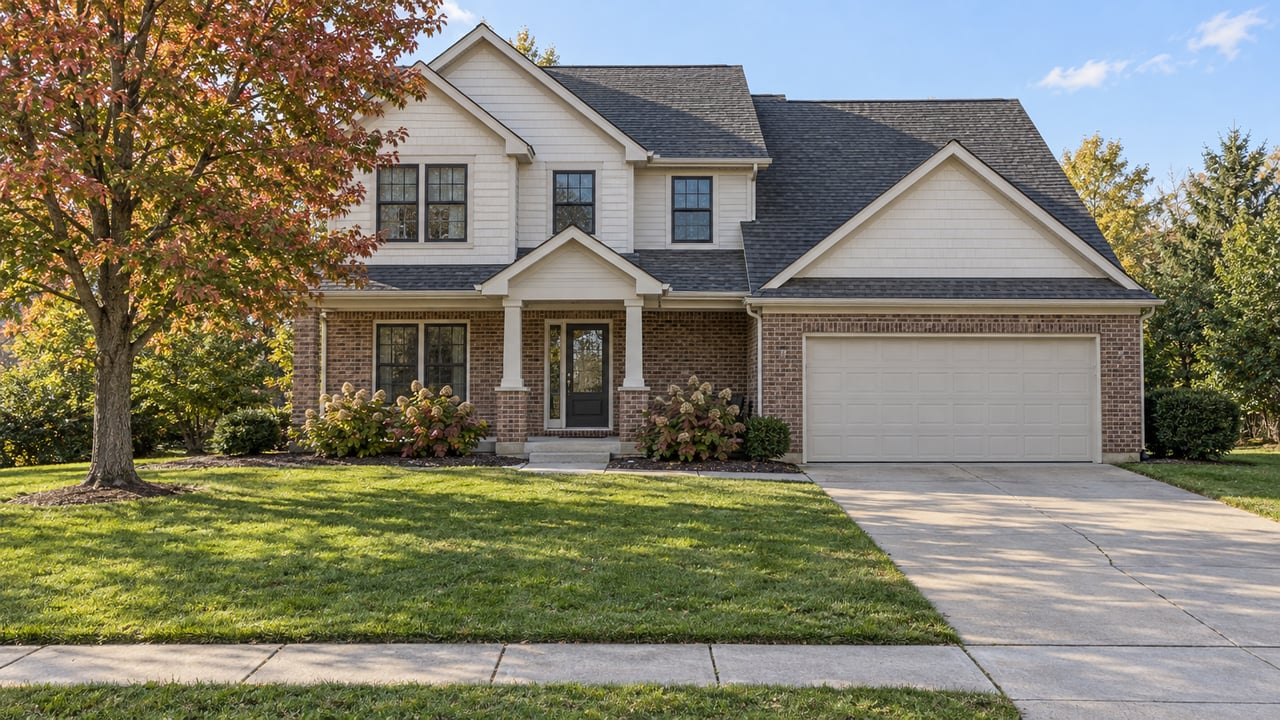
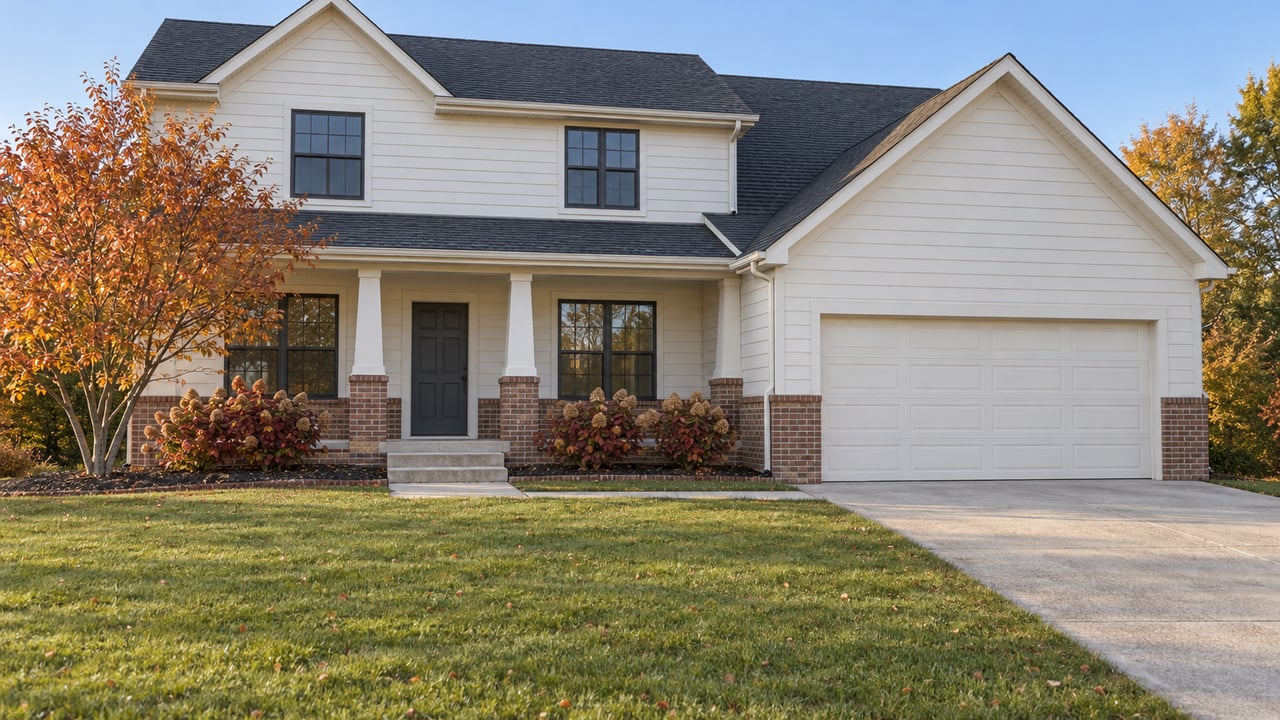
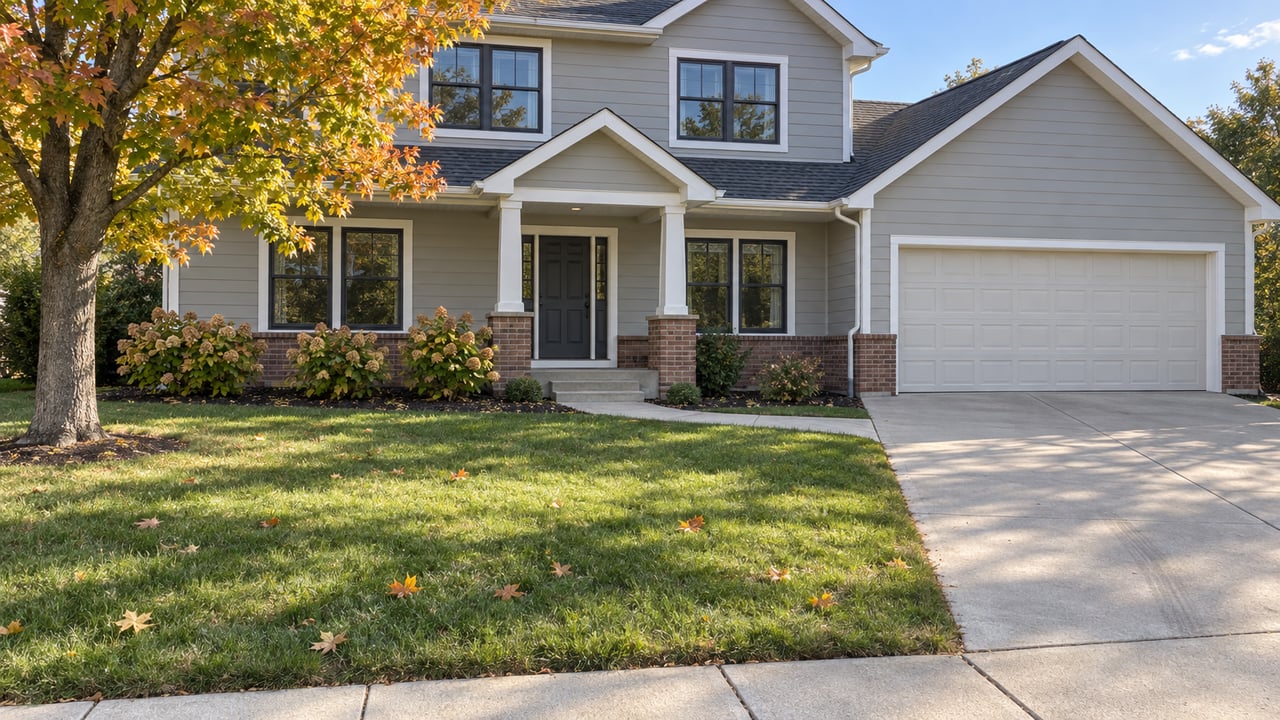
If you want newer construction, more modern floor plans, or less immediate remodeling, western Liberty may be worth a close look. Growing development in that part of the city can appeal to buyers who want open layouts, newer systems, and neighborhood designs that feel more recently built.
That does not automatically make it the best choice for everyone. You may trade older-tree-canopy charm or close-in access to downtown Liberty for newer housing stock. Think about whether your priority is lower near-term update needs or a more established setting.
Older In-Town Streets
Older parts of Liberty can offer mature trees, established streets, and distinct home styles that are hard to replicate in newer subdivisions. For many move-up buyers, that character is a major draw, especially if you want to stay near downtown amenities and the Liberty Square area.
Older homes can also bring more questions about maintenance, remodeling, and long-term project costs. This is where a practical eye matters. A home with charm can be a great fit, but you want to understand what you may need to update over time.
HOA and Neighborhood Group Areas
Liberty says the city includes a diverse mixture of neighborhoods organized through HOAs or neighborhood groups. Examples on the city’s neighborhood map include Bent Oaks, Clay Ridge, Claywoods, Creekwood, Homestead of Liberty, Riverwood, South Valley Park, Timber Ridge, Westwoods, Whitehall Addition, and Withersfield.
That range matters because neighborhood structure can shape your day-to-day experience. Some areas may feel more organized around shared standards or coordinated improvements, while others may be more centered on individual property ownership. Neither is better by default. It depends on how you want your neighborhood to function.
Look Beyond Square Footage
A bigger house can still be the wrong move if it adds stress in the wrong places. Before you choose your next home, compare each option through a wider lens.
Commute and Regional Access
Liberty offers strong access around the Northland and beyond. The city says residents can directly access I-35, MO-291, and US-69, with I-435 about five minutes away, I-70 about 15 minutes away, and MCI about 18 minutes away.
That makes location inside Liberty more important than many buyers first assume. A home on one side of town may work much better for your daily drive, airport trips, or regular errands. If your schedule is already packed, shaving off time each week can matter as much as an extra room.
Parks, Trails, and Everyday Use
Lifestyle is not just what happens inside the home. Liberty says residents have access to more than 608 acres of parks, 18.65 miles of multi-use asphalt trails, and 6 miles of primitive trails.
If you like walks, bike rides, playground access, or easy outdoor time, map those habits into your search. A house that supports your routine can feel like a bigger upgrade than one with a little more square footage but less convenience.
School Assignment by Address
If school boundaries are part of your decision, verify them by the exact address. Liberty Public Schools uses an address-based boundary lookup and directs families to use its Infofinder tool or contact Student Services or Transportation with questions.
This step matters because school assignment should not be assumed from a neighborhood name alone. Liberty Public Schools serves about 85 square miles and more than 12,300 students, with 11 elementary schools, four middle schools, two high schools, an alternative secondary school, and an early childhood center. For move-up buyers, that means the address you choose can affect planning for years ahead.
Know the Rules for Historic Areas
If you are drawn to homes near downtown Liberty, take time to understand historic district rules before you buy. Liberty has five designated local historic districts, and its National Register summary lists six historic districts and eight individual properties.
In local historic districts, exterior alterations, new construction, and demolition must be reviewed by the Historic District Review Commission before work begins. A Certificate of Appropriateness is required before exterior work begins. If your move-up plan includes major curb appeal changes, additions, or exterior redesign, you need to know that upfront.
The city’s historic district summaries also show how much character can vary. Areas around the Square include 1870s and 1880s commercial buildings, while Dougherty-Prospect Heights includes Prairie and Craftsman homes, Jewell-Lightburne includes Queen Anne, Georgian, and Tudor Revival architecture, Garrison School is rooted in historically Black neighborhoods, and Arthur-Leonard includes larger homes set farther back from the street.
For some buyers, those details are a big part of the appeal. For others, the review process may make a newer or non-historic area a better fit.
Ask About Tax and Cost Details
Your purchase price is only part of the monthly picture. Ongoing housing costs can shift depending on the property and timing.
Clay County says real estate is reassessed in odd-numbered years, and January 1, 2025 was the current assessment date for the present cycle. The county also says change-of-valuation notices are mailed around April 1 for properties that increased in value. Since local taxing authorities set the tax burden, two homes that seem similar at first glance may carry different long-term costs.
If you are stretching into a move-up price range, tax planning should be part of your budget review. A comfortable payment on paper can feel different once taxes, utilities, and maintenance are added in.
Plan the Sale and Purchase Together
One of the biggest move-up challenges is timing. If you need to sell your current home before buying the next one, your strategy matters just as much as your home search.
The Consumer Financial Protection Bureau says buyers can shop for homes and loan options at the same time, and that preapproval plus a budget review helps keep the search realistic. It also says closing is the final step in the mortgage process and that the loan closing and home purchase closing typically happen at the same time.
That is why move-up buyers usually need a coordinated plan, not just a wish list. In many cases, the strongest approach starts with understanding how much home you can comfortably buy, what your current home may need before listing, and how tight your timing needs to be.
Seller-First Plan
A seller-first plan can reduce financial pressure because you know your sale outcome before committing to the next purchase. This can make budgeting clearer and lower the risk of carrying two homes at once.
The tradeoff is that you may need temporary housing or a flexible closing strategy if you do not find your next home quickly. This path can work well if you want certainty first.
Buyer-First Plan
A buyer-first plan can help you lock in the right next home before it gets away. This can be appealing in a competitive segment where the right fit does not come up often.
The risk is financial overlap. If your current home has not sold yet, you may face more pressure around timing, carrying costs, or contingency terms.
Simultaneous Closing Plan
A same-day or closely coordinated closing can help you move directly from one home to the next. When it works, it creates a cleaner transition and reduces disruption.
It also requires careful coordination because multiple deadlines need to line up. Delays on either side can create stress, so preparation matters.
Understand Contingencies Before You Offer
Contingencies can be especially important when you are buying and selling at the same time. Freddie Mac says a home-sale contingency protects the buyer if their current home does not sell, but it adds risk for the seller because there is no guarantee the existing home will close.
The Consumer Financial Protection Bureau also notes that inspection contingencies matter because serious defects can allow a buyer to walk away, depending on the contract. For move-up buyers, that means your offer strategy should match your timing, your budget, and the condition of both homes involved.
A strong plan is not just about making an offer. It is about making an offer you can actually carry through.
Don’t Forget Utility Setup
Moving within the same city still comes with logistics. Liberty operates water and wastewater service inside city limits, bills monthly in two address-based cycles, and provides citywide trash and recycling collection for new residents who sign up for water service.
This is a small detail that can become a big headache if it gets missed during a move. As you compare homes, keep utility transfer timing, billing cycles, and service setup on your checklist.
A Simple Liberty Move-Up Checklist
Before you choose your next home, use this quick checklist:
- Define your top three reasons for moving
- Decide whether you prefer newer construction or older in-town character
- Verify school assignment by exact address
- Compare commute routes to your regular destinations
- Check access to parks, trails, and everyday conveniences
- Ask whether the area is HOA-based, neighborhood-group based, or more independent
- Review whether the home is in a historic district
- Build taxes, utilities, and maintenance into your monthly budget
- Choose a seller-first, buyer-first, or coordinated closing strategy
- Get clear on what repairs or updates your current home may need before listing
Choosing your next home in Liberty is rarely about one feature. It is about finding the right combination of layout, location, neighborhood structure, and move timing for your next stage of life. If you want practical guidance on how to compare homes, prepare your current property, and make a move-up plan that fits your budget, Crystal Hawkins can help you map out the next step.
FAQs
How do move-up buyers compare neighborhoods in Liberty, MO?
- Focus on more than home size. In Liberty, buyers often compare newer development on the western edge, older in-town areas, school assignment by address, commute access, neighborhood structure, and proximity to parks and trails.
How do school boundaries work for homes in Liberty, MO?
- Liberty Public Schools uses an address-based boundary lookup, so you should verify school assignment by the exact property address rather than assuming it from the neighborhood name.
What should buyers know about historic homes near downtown Liberty?
- Some homes near downtown may be in local historic districts where exterior changes, new construction, and demolition require review by the Historic District Review Commission and a Certificate of Appropriateness before exterior work begins.
How does timing work when selling one Liberty home and buying another?
- Many move-up buyers use a seller-first, buyer-first, or simultaneous-closing plan. The right option depends on your budget, how much timing flexibility you have, and whether you need your current home to sell before you buy.
What local costs should move-up buyers review in Liberty, MO?
- Review property taxes, utility setup, and monthly service costs along with your mortgage payment. Clay County reassesses real estate in odd-numbered years, and Liberty handles water, wastewater, trash, and recycling for qualifying city residents.
Why is Liberty a practical place for a move-up purchase?
- Liberty offers a mix of neighborhood styles plus direct access to I-35, MO-291, and US-69, with I-435 about five minutes away, I-70 about 15 minutes away, and MCI about 18 minutes away, along with more than 608 acres of parks and an extensive trail system.