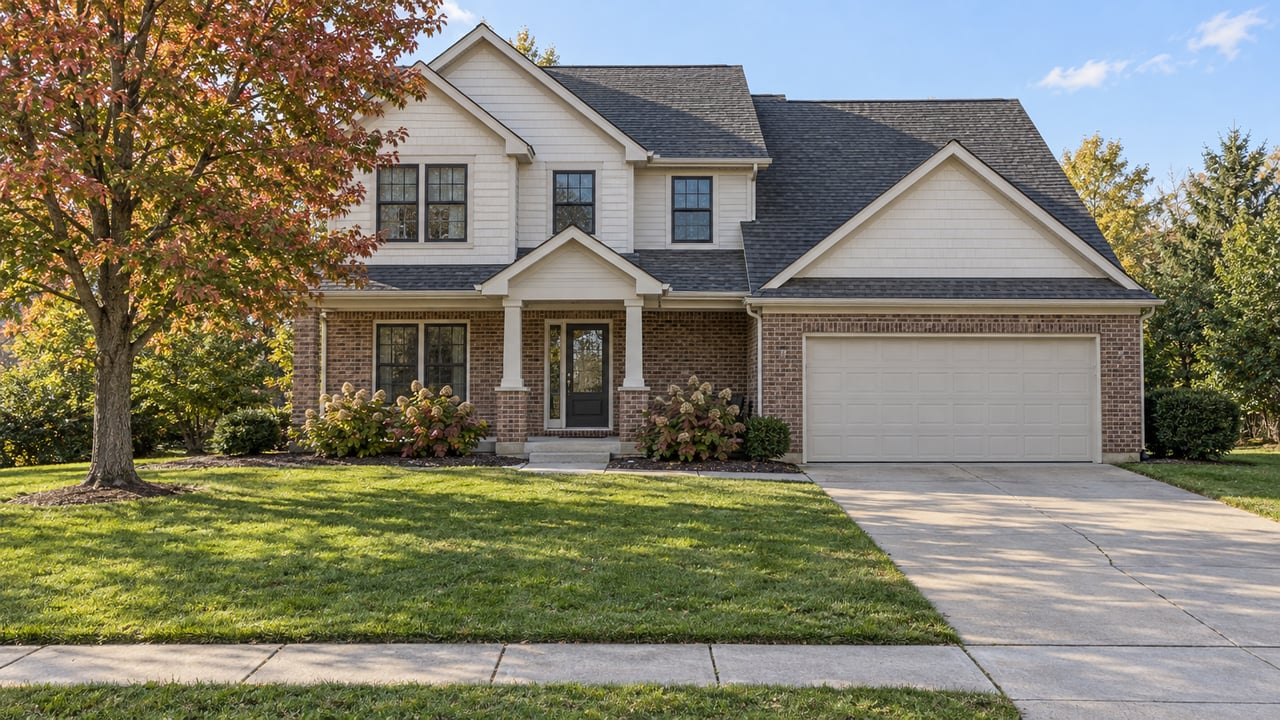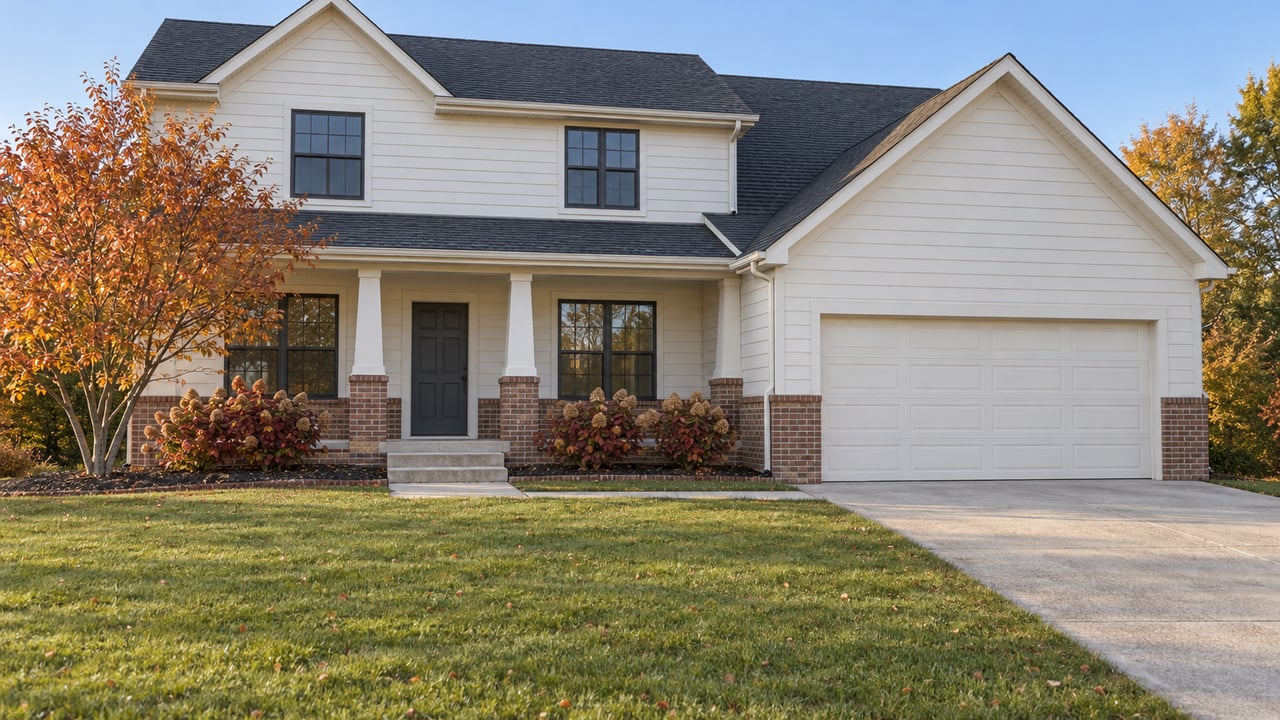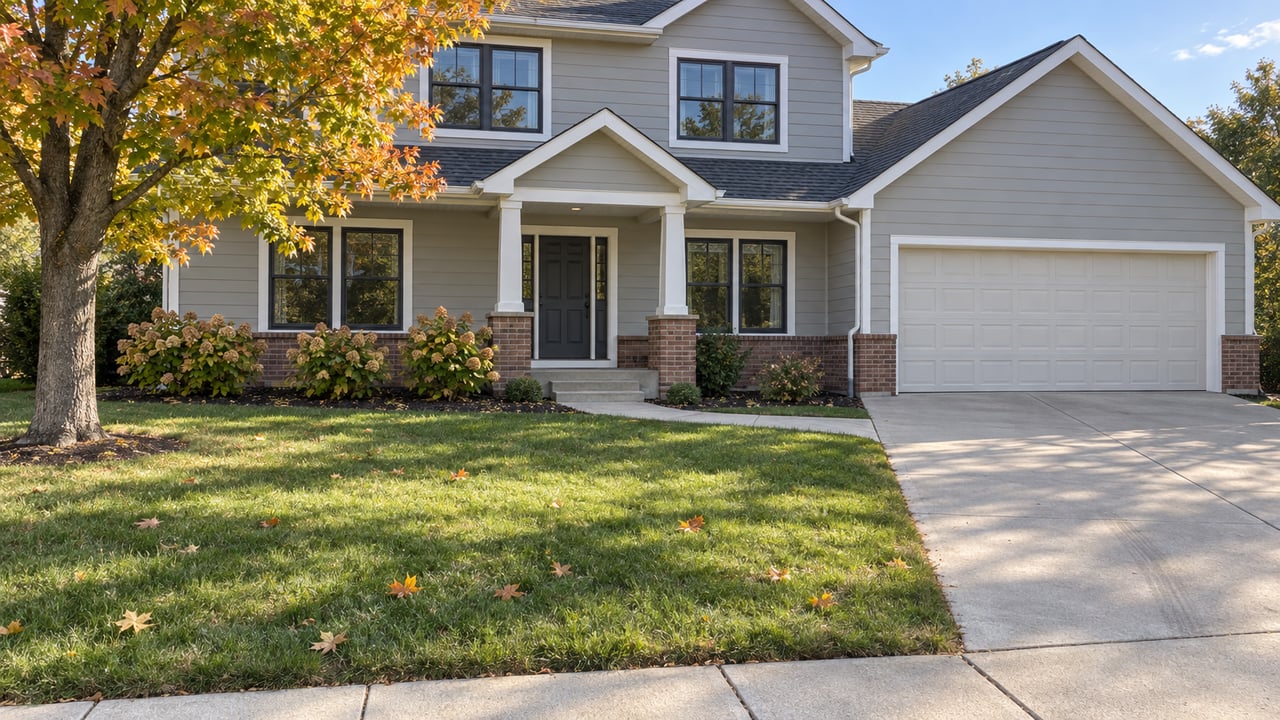
A seller in unincorporated Platte County calls me this spring with a straightforward plan. She wants to list her four-bedroom resale near Tiffany Greens, and she has already done her own comp research. Three homes sold nearby in the last few months for right around $455,000, so that is the number she wants on the sign.
What she does not know, because nothing on the closed-sale sheet tells her, is that at least one of those "comps" was a new-construction closing where the builder kicked in $7,500 to $10,000 in closing costs or a rate buydown to get it done. The number on paper says $455,000. The number the buyer actually felt in their monthly payment was lower. Her resale home has no such cushion built in. If she prices to match, she is not matching the deal. She is matching the sticker.
That gap between what a Platte County new-construction listing says and what it actually cost the buyer is the thing worth understanding before you price a resale home or shop a new one here.
How builders use incentives instead of price cuts
Homebuilders in Platte County right now are doing something specific and consistent: they are almost never cutting the base price of a home. Instead, listings across the county's new-construction subdivisions are stacked with $7,500 to $10,000 credits that buyers can apply to closing costs, a rate buydown, or extra upgrades. The list price stays put. The deal moves around it.
These incentives reflect a business calculation. A builder selling in a subdivision like Tiffany Greens or The Reserve at Riverstone is not selling one house. They are selling every remaining lot in that phase, plus every home they already closed and handed the keys to. If they cut the price on one listing to move it faster, that new number becomes the appraisal comp for the next ten houses in the same section, and for the neighbor who closed six months ago at the old price. Kiplinger has covered this dynamic nationally, noting that builders often prefer incentives specifically because slashing sticker prices can hurt appraisals and reset the comps for an entire community.
A closing credit or a temporary rate buydown can reduce a buyer's costs while leaving the recorded sale price unchanged.
What that looks like on the ground here
The Reserve at Riverstone is a useful example of why this matters at scale. It is a Hunt Midwest master-planned community built around 284 single-family homes and townhomes off Tiffany Springs Road, close to Zona Rosa and the Tiffany Springs Sports Complex, zoned to Park Hill schools. Every home in that pipeline shares a builder, a price ladder, and an incentive structure. When one buyer gets a credit instead of a lower price, the sale price remains unchanged while the buyer receives the incentive.
Windmill Creek, a D.R. Horton community in Platte City with six floorplans between 1,635 and 2,356 square feet, runs the same playbook at national-builder scale. Tiffany Greens, an established Platte County subdivision that is still seeing new-construction phases built into it, shows the same pattern in listings offering the same style of closing credit rather than a lower price. Different builders and price points offer different contexts for comparing transactions in each development.
The county number is really two markets wearing one label
Here is where the mechanism starts to matter for anyone comparing "Platte County" against the rest of the metro as if it were a single market.
Platte City posted a first-half 2026 median sold price of $455,445. For contrast, the broader Kansas City metro's average sale price came in at $392,039 in April 2026, up 8.4% year over year, according to Heartland MLS data reported by the Kansas City Regional Association of Realtors. On the surface, that looks like Platte City is simply the pricier submarket.
But two master-planned communities alone produced roughly 38% of Platte City's first-half 2026 closings. That figure reflects the sales mix as well as the broader market. When more than a third of your closed sales come out of two subdivisions with shared pricing structures and incentives, the "median" can be influenced by those developments' prices and sales mix.
If you are pricing a resale home in Platte County, consider how new-construction prices and incentives may affect the comparisons you use.
What this means if you are selling
Pull the closed-sale detail, not just the closed price, on anything near a new-construction subdivision. A sold price with a seller-paid buydown or a closing credit attached is a different transaction than a sold price with none. Your agent should be adjusting for that difference before it becomes your listing price, not after your home has sat for six weeks because it was priced without accounting for incentives on competing new construction.
Condition does real work here too. A finished basement, a fenced yard, mature landscaping, and blinds already on the windows are the things a bare new build does not have and cannot easily match without the buyer paying builder upgrade pricing for them. That is where a resale home genuinely competes on value rather than chasing a softened number down.
What this means if you are buying
The same mechanism cuts the other way for buyers. A temporary rate buydown attached to a new-construction purchase, often structured as a 2-1 buydown, reduces the rate for the first year or two before it reverts to the full note rate. That is real relief while it lasts, but it is worth budgeting for the payment you will owe once it expires, not just the one you will see at closing.
Property taxes deserve the same scrutiny. Missouri assesses residential property before local levies apply, and Platte City's effective rate runs close to 1.26% of market value. On a home at the first-half 2026 median of $455,445, that works out to roughly $5,700 a year, a number that a rate buydown does nothing to soften.
| Incentive type | What it changes | What stays the same |
|---|---|---|
| Temporary rate buydown | Lower payment for 1 to 2 years | List price, note rate after buydown ends |
| Permanent rate buydown | Lower payment for the life of the loan | List price |
| Closing cost credit | Cash needed at closing | List price, monthly payment |
| Price reduction | List price itself | Nothing, though builders rarely cut prices |
A few questions worth asking before you sign anything
Does an appraiser see the builder's credit or buydown? Appraisers work from the contract price and comparable closed sales. The concession can be substantial to the buyer without showing up as a lower number in the public record.
Should I ask a builder for a credit or a straight price reduction? Ask for both and compare the total cost, not just the sticker. A builder may offer a credit or buydown instead of reducing the price. Whichever you choose, run the math on your full monthly payment once any buydown expires, not just the introductory number.
Can a resale seller offer the same kind of concession? Yes. A resale seller can offer a closing cost credit or contribute to a buyer's rate buydown without touching the listed sale price, as builders also may do. It is a tool that works on either side of the new construction line.
The number on a Platte County listing sheet, new or resale, is rarely the whole story right now. Knowing which part of that number is fixed and which part is negotiable is the difference between pricing your home correctly the first time and sitting on the market while competing with incentives offered on new construction.
If you are trying to figure out what a specific Platte County comp actually means, or how to price a resale listing against a subdivision full of builder credits, Crystal Homes KC can walk through the real numbers behind the ones on the sheet. Schedule a free consultation and get a read on your specific address before you set a price or make an offer.
This article is general information, not legal, tax or financial advice. Consult a qualified professional about your situation.