Wondering whether your next move in Kansas City should point north or head straight for the skyline? It is a common question because both the Northland and Downtown offer real advantages, but they support very different daily routines. If you are weighing space, commute style, home type, and overall lifestyle, this guide will help you sort through the tradeoffs so you can choose with more confidence. Let’s dive in.
Northland vs. Downtown at a glance
At a high level, the Northland and Downtown Kansas City serve different priorities. The Northland stretches across areas north of the river in Clay County and Platte County, with a more suburban feel, retail hubs, and smaller business districts. Downtown Kansas City is the urban core, with a mix of historic buildings, newer development, and neighborhoods like River Market and Crossroads.
That difference shapes almost everything else, from how you get around to the kind of home you are likely to buy. If you want more room and a more suburban rhythm, the Northland often stands out. If you want to be closer to restaurants, arts, and transit, Downtown may feel like a better fit.
Commute and mobility
Northland travel is mostly car-based
If you live in the Northland, your routine will likely revolve around driving. Major routes like I-35, I-435, Highway 152, and I-29 play a big role in daily travel, and that can make it easier to move around the broader metro by car.
For many buyers, that highway access is a real plus. It can support commutes to different parts of the region and often pairs well with neighborhoods that offer more parking and more separation between homes. In a Briarcliff example cited by Homes.com, Downtown is about 6 miles away by car, while a bus trip can take around 30 minutes.
Downtown supports a car-light lifestyle
Downtown is the better choice if you want more options beyond driving. The KC Streetcar is free, with the original line running from River Market to Union Station and Crown Center, and the 2025 extension reaching the Plaza and UMKC.
The Downtown Council also frames Downtown as a walkable, bikeable, transit-oriented district, even while noting that some gaps still remain. In practical terms, that means you may be able to handle more of your routine on foot or with transit if you choose the urban core.
Home styles and price points
Northland homes usually offer more space
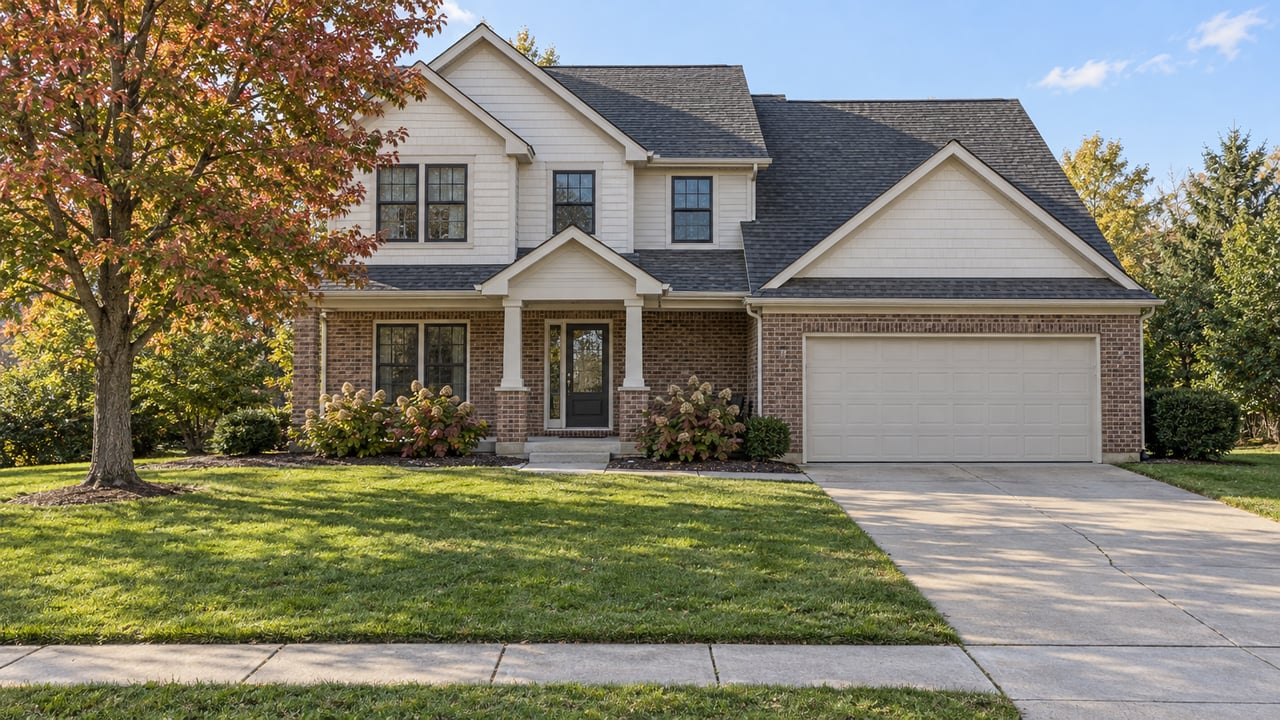
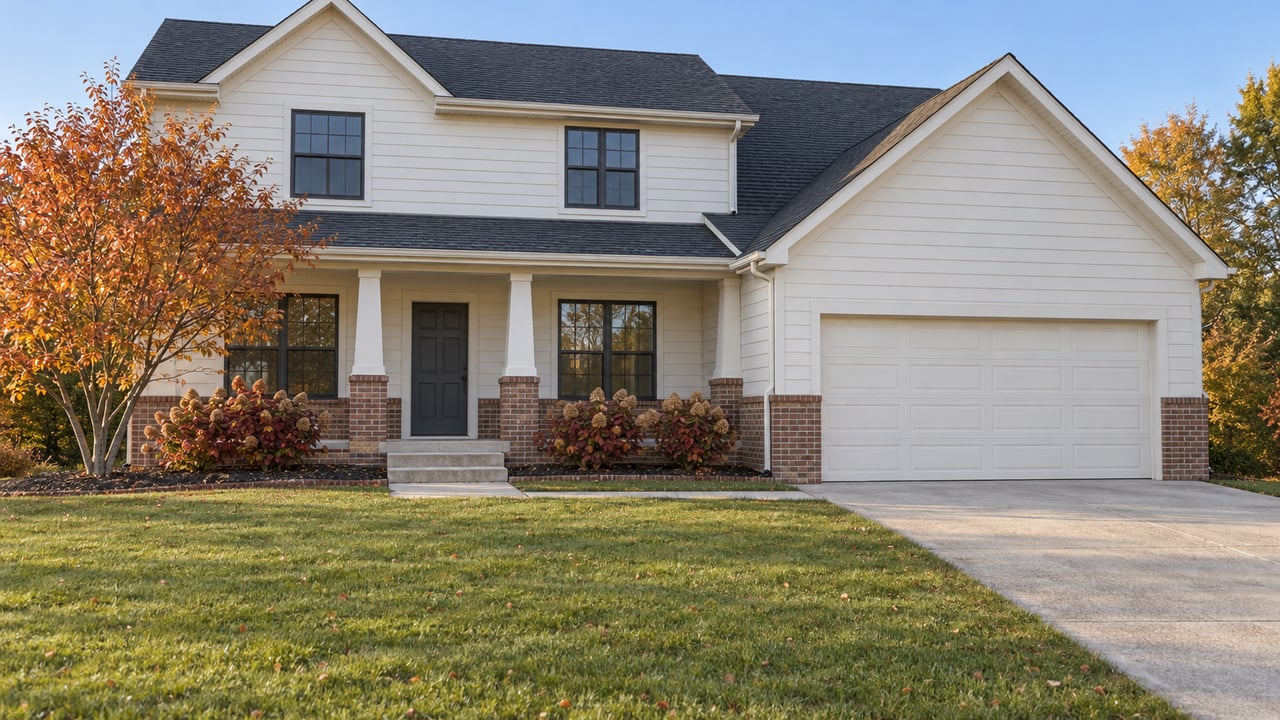
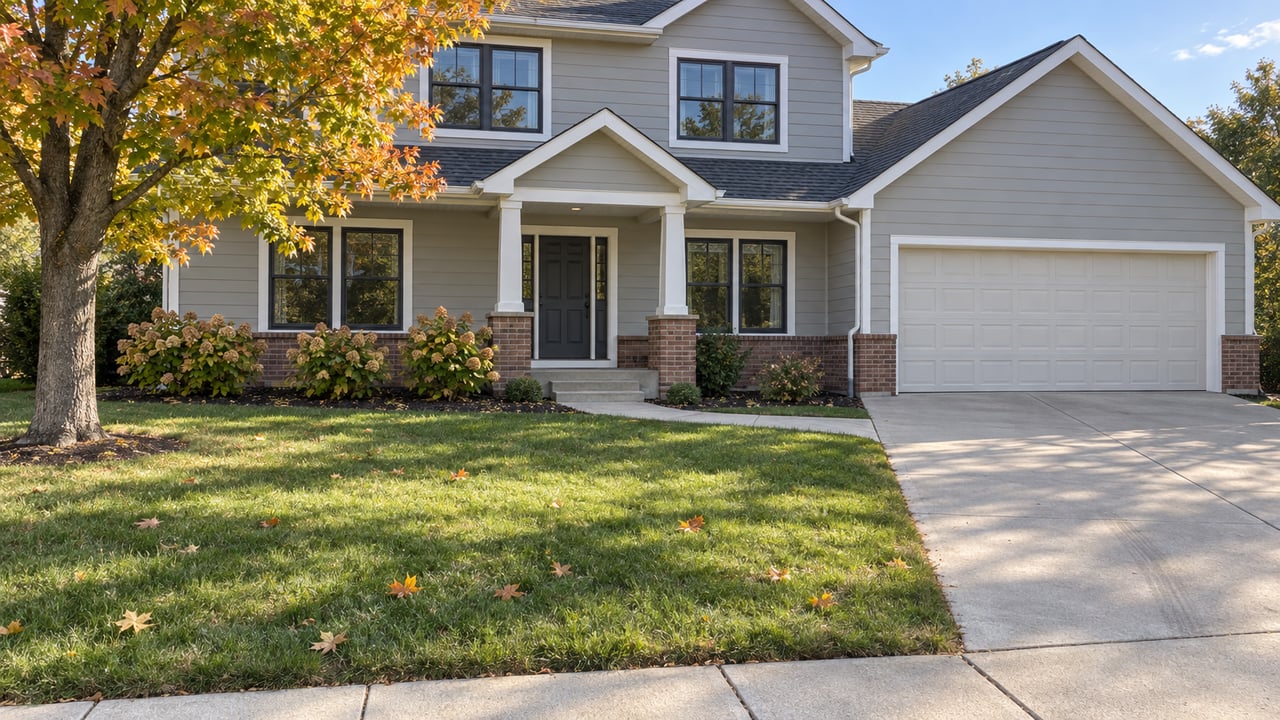
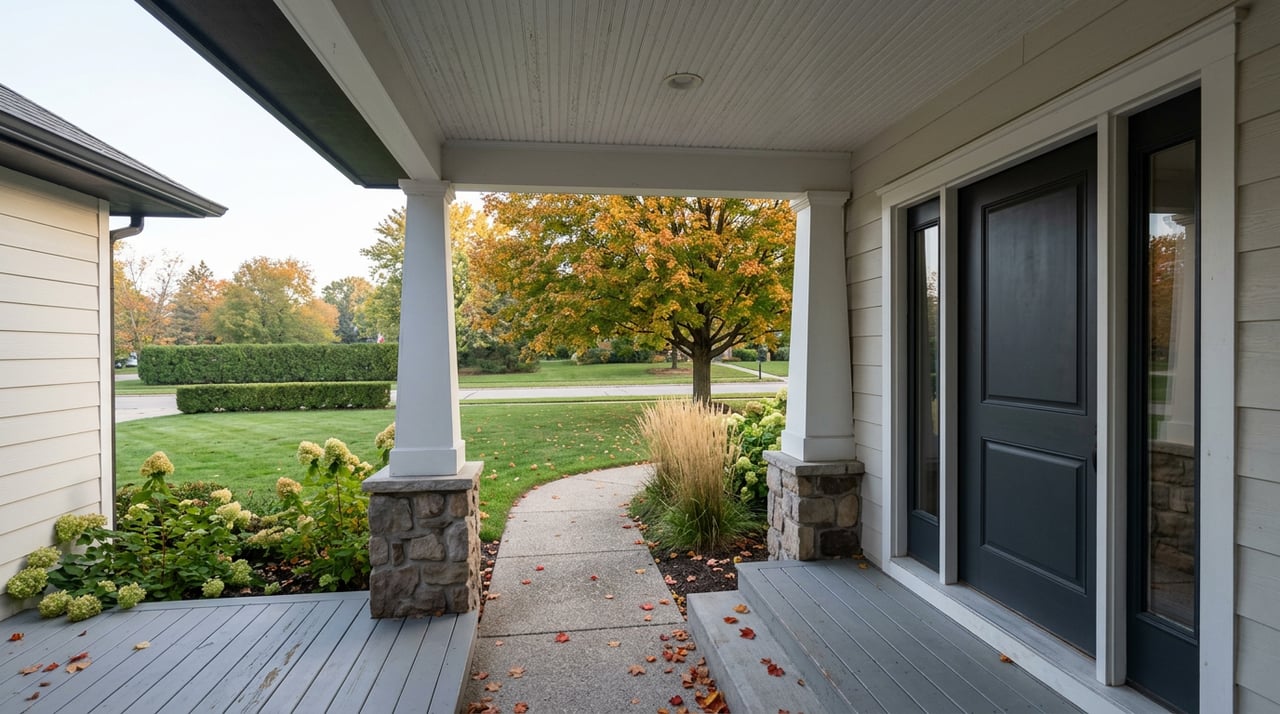
The Northland housing stock tends to feel more suburban in both layout and lot size. One neighborhood guide describes many homes as multistory properties built after 2000, often in completed subdivisions with sidewalks, curving streets, and larger front and backyards.
You can also find townhomes, midcentury ranches, and Tudor Revival-inspired homes. Redfin’s March 2026 data show a Northland median sale price of $342,000, a median of $182 per square foot, and a median of 49 days on market.
Those numbers help explain why many buyers look north when they want more square footage for the money. In many cases, you are trading a longer drive or less walkability for more house, more storage, and more outdoor space.
Downtown housing is more urban in form
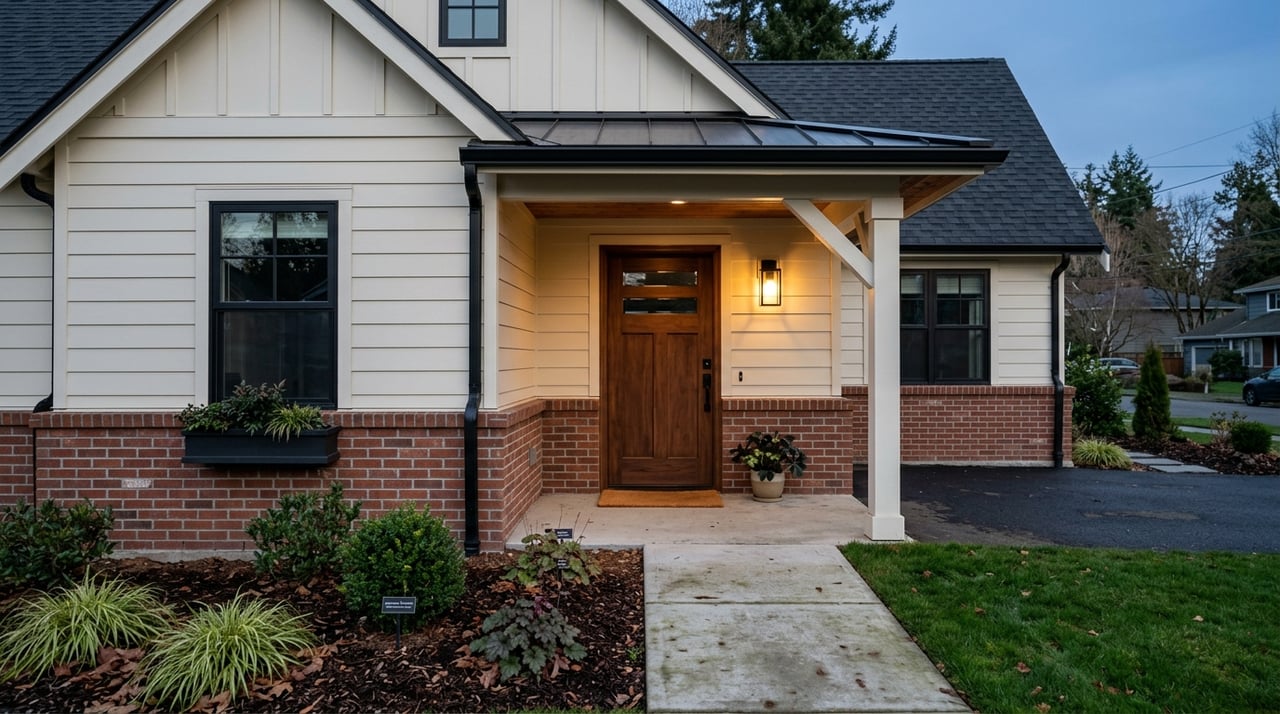
Downtown housing leans toward lofts, condos, and adaptive-reuse buildings. The Downtown Council housing report includes examples like City Market Lofts, Opera House Lofts, River Market Lofts, and 523 Grand Condominiums.
Redfin’s March 2026 data show a Downtown median sale price of $230,000, a median of $211 per square foot, and a median of 79 days on market. A reasonable takeaway is that Downtown’s lower median sale price often reflects smaller attached units, while its higher price per square foot reflects a denser urban product.
If you are comfortable with less space and want a more connected location, that trade can make sense. If your priority is room to spread out, the Northland may deliver better value for your needs.
Schools depend on address
Northland spans multiple districts
School boundaries in the Northland are very address-specific because the area covers more than one district. North Kansas City Schools serves more than 21,800 learners in Kansas City’s Northland, while Park Hill School District covers roughly 73 square miles in southern Platte County and sits just northwest of Downtown Kansas City.
That means two homes with similar features can feed into different districts depending on where they sit. If schools are part of your home search, it is important to check the exact address rather than assume an entire Northland area falls under one district.
Downtown options are also location-based
Downtown families are typically within Kansas City Public Schools attendance boundaries, where neighborhood schools are open by address. There is also a downtown charter option in Crossroads Charter Schools, a PK-12 network located in the heart of downtown with admissions priority for families living or working in the Greater Downtown Area.
As with the Northland, the key is to verify the specific address and enrollment details that matter to your household. Boundaries, availability, and admissions rules can all shape what is practical for your move.
Lifestyle and daily rhythm
Northland fits a suburban routine
The Northland often appeals to buyers who want a quieter, more suburban pattern to daily life. Visit KC highlights destinations and activity hubs such as Zona Rosa, Briarcliff Village, Parkville, Worlds of Fun, Oceans of Fun, the Rabbit hOle, museums, historic sites, golf, hiking, and biking across Clay and Platte counties.
Another practical advantage is location. The Northland sits between Kansas City International Airport and Downtown KC, which can be helpful if your routine includes airport access, regional driving, or balancing work and home across different parts of the metro.
Downtown fits a more urban routine
Downtown is a stronger fit if you want restaurants, arts, sports, and a denser live-work-play environment. The Downtown Council emphasizes jobs, arts and culture, historic architecture, and a walkable, transit-oriented district, while Visit KC and Downtown sources point to the streetcar corridor and the region’s core entertainment areas.
For some buyers, that convenience outweighs the smaller footprint of a typical condo or loft. You may have less private space, but more of the city is right outside your door.
Which buyers often prefer the Northland
The Northland can make a lot of sense if you are looking for:
- More square footage for your budget
- Larger yards and more private outdoor space
- Newer subdivision-style housing
- Easier parking and garage space
- Highway access for a car-based routine
- Proximity to Clay County and Platte County communities
This is often where buyers focus when they want a single-family home that supports a longer-term move. It can be especially appealing if you want room to grow or simply want a more traditional neighborhood layout.
Which buyers often prefer Downtown
Downtown may be a better fit if you are looking for:
- Walkability and transit access
- Loft or condo living
- Proximity to restaurants, arts, and entertainment
- A more urban daily routine
- Less dependence on a car
- Historic buildings and adaptive-reuse housing
For the right buyer, convenience and location can outweigh the tradeoff in square footage. If being near the center of activity matters most, Downtown can be hard to beat.
How to choose with confidence
A good neighborhood choice starts with your real routine, not just a wishlist. Think about how often you drive, how much space you truly use, whether you want a yard, and how important walkability is to your day-to-day life.
It also helps to look past the headline price. A lower median sale price Downtown does not always mean more value if you need extra bedrooms or storage, just as a larger Northland home may not feel like the right fit if you want to leave the car parked more often.
If you are comparing the Northland and Downtown, touring both can be the fastest way to get clarity. Seeing home layouts, parking, street activity, and commute patterns in person often makes the decision much easier.
Whether you are buying your first place, moving up, or trying to decide where your next chapter fits best, local guidance matters. If you want help comparing Kansas City neighborhoods, home styles, and real-world tradeoffs, reach out to Crystal Hawkins for a free consultation.
FAQs
Is the Northland or Downtown Kansas City better for commuting?
- It depends on how you travel. The Northland is typically more car-based and connected by major highways, while Downtown is better for walking, biking, and using the free KC Streetcar.
Is housing more expensive in the Northland or Downtown Kansas City?
- March 2026 Redfin data show a higher median sale price in the Northland at $342,000 compared with $230,000 Downtown, while Downtown has a higher median price per square foot at $211 compared with $182 in the Northland.
What kinds of homes are common in Kansas City’s Northland?
- The Northland often features multistory homes built after 2000, completed subdivisions, townhomes, midcentury ranches, and some Tudor Revival-inspired properties.
What kinds of homes are common in Downtown Kansas City?
- Downtown housing is more likely to include lofts, condos, and adaptive-reuse buildings, including homes in areas like River Market and other parts of the urban core.
How do school districts work in the Northland and Downtown Kansas City?
- School options are address-specific in both areas. The Northland spans multiple districts, including North Kansas City Schools and Park Hill School District, while Downtown families are typically in Kansas City Public Schools attendance boundaries and may also consider Crossroads Charter Schools.
Is the Northland or Downtown Kansas City better for more space?
- In general, the Northland is more likely to offer larger homes, yards, and more parking, while Downtown usually trades space for location, transit access, and proximity to city amenities.