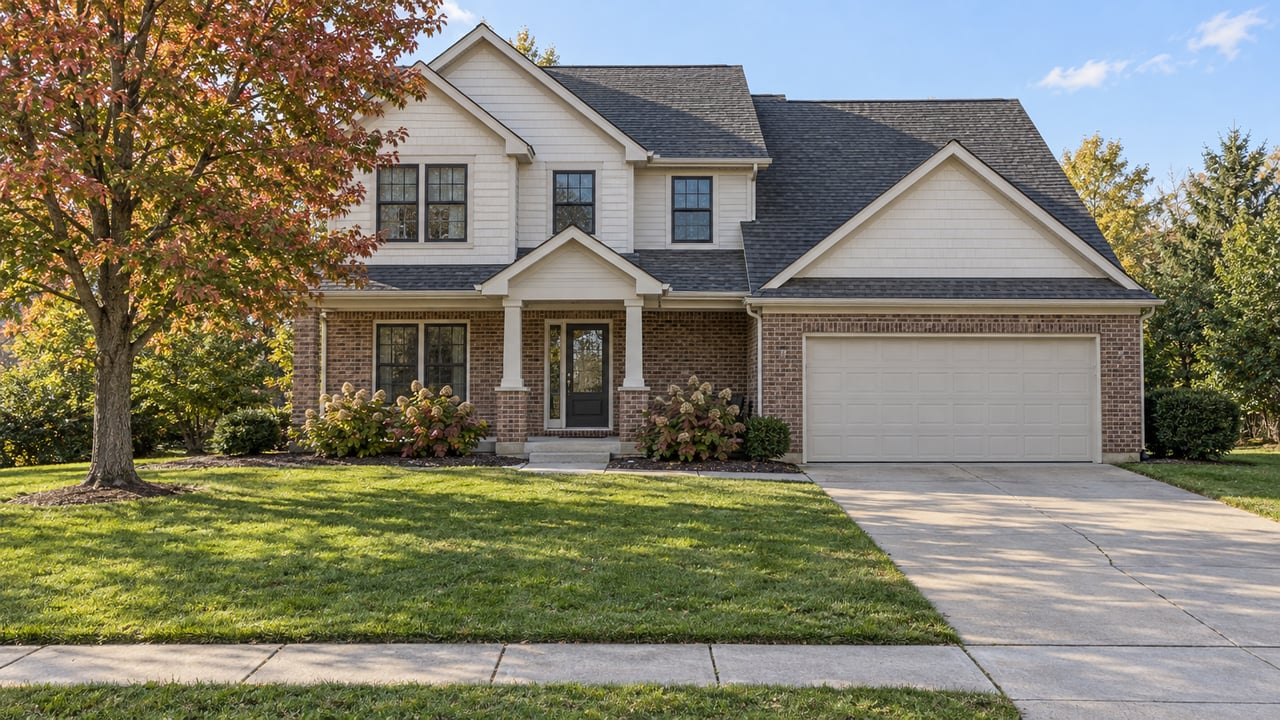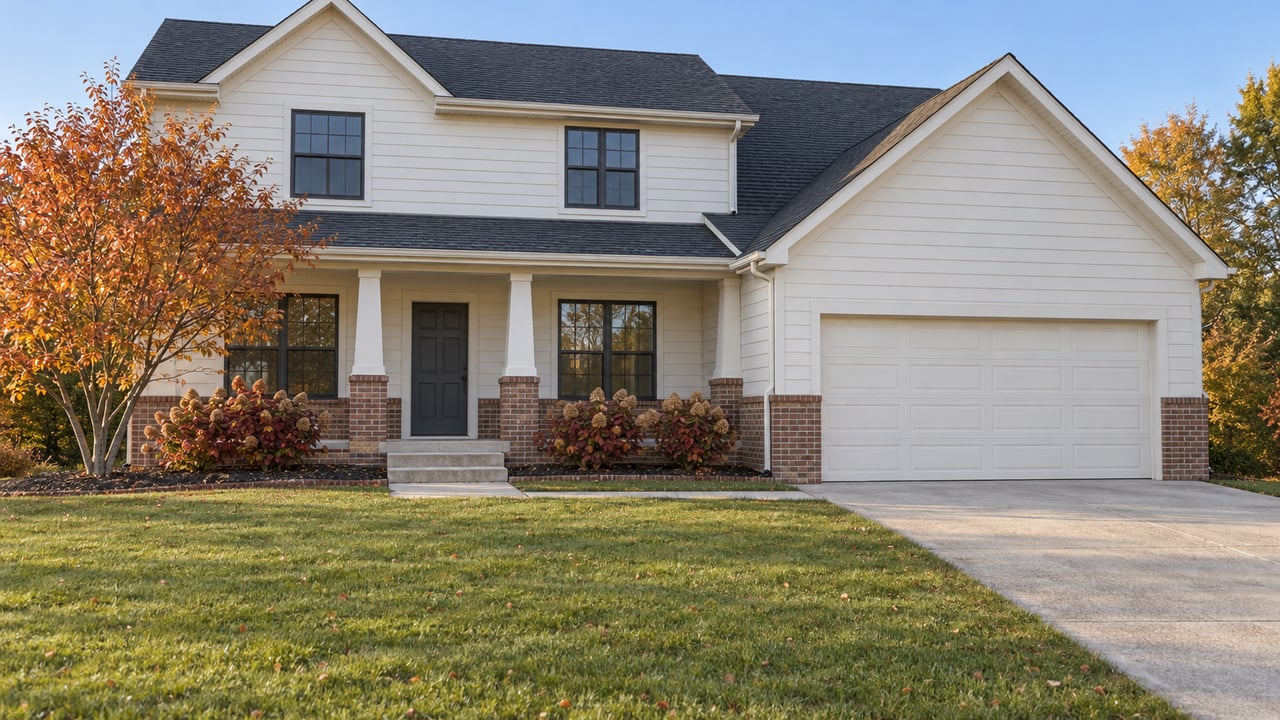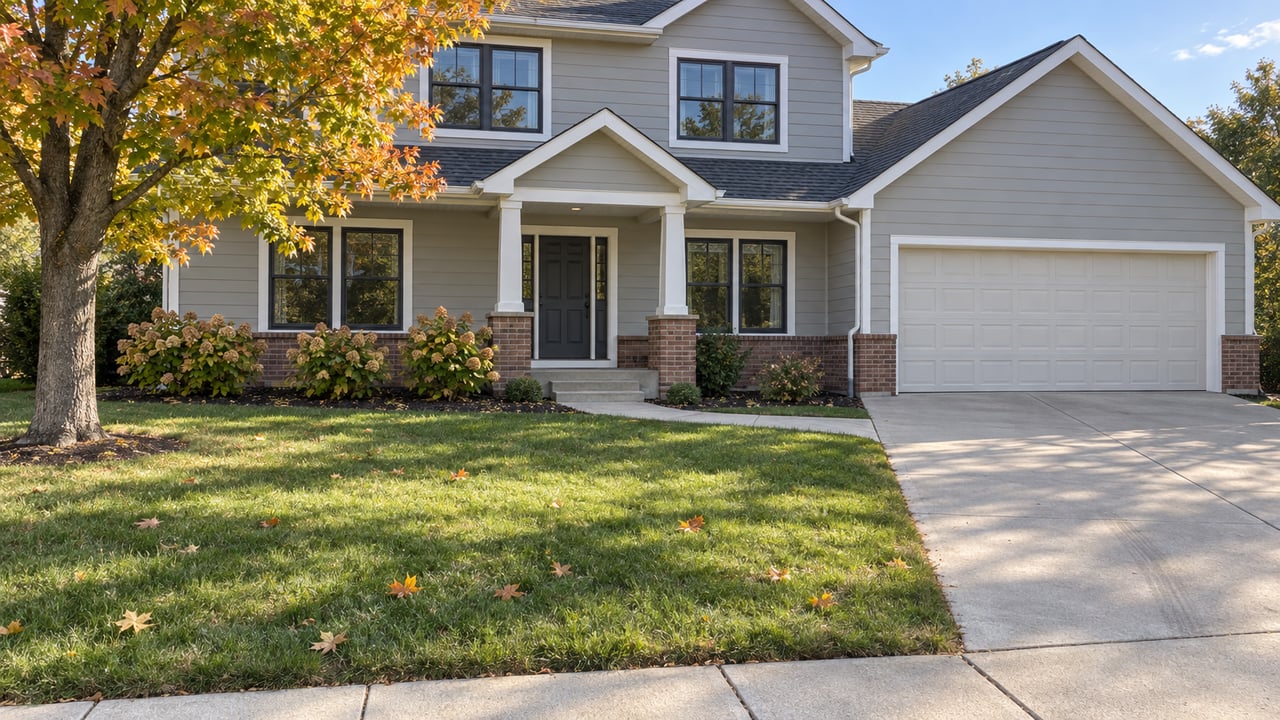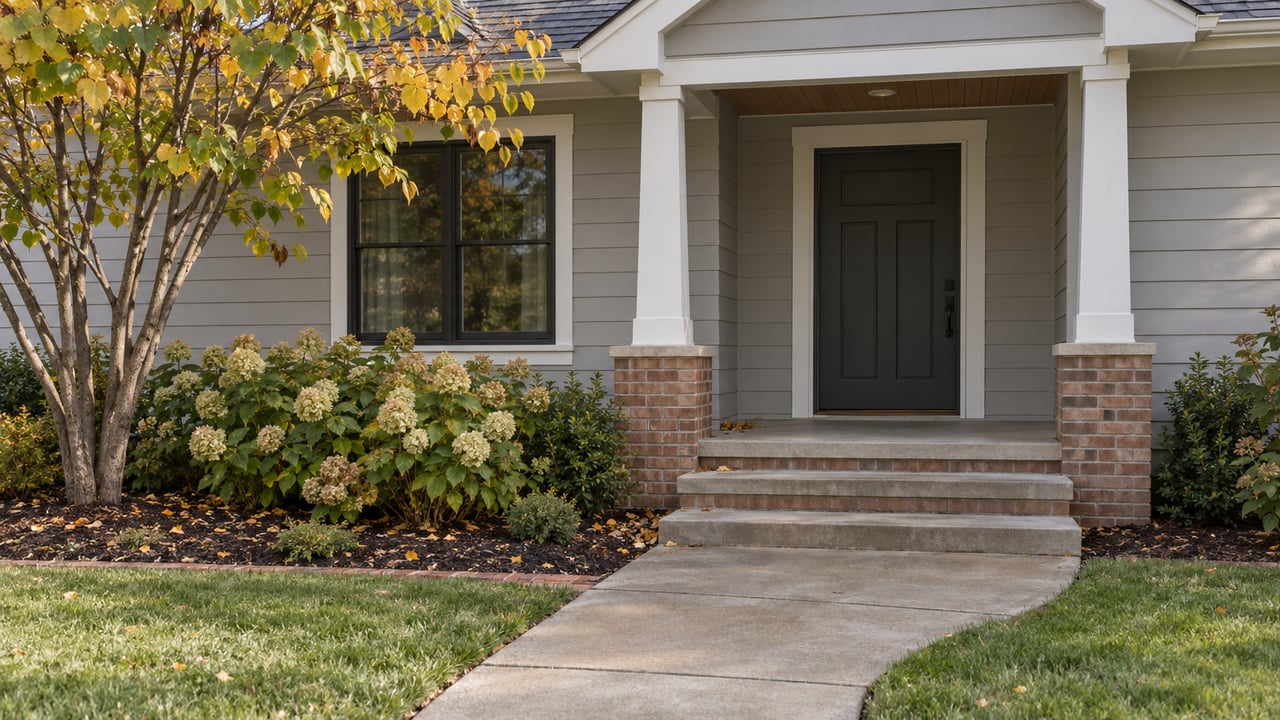
Trying to choose between a brand-new home and an established neighborhood in Parkville? You are not alone. In a market where buyers often weigh a few newer planned communities against a much wider mix of resale homes, the real question is usually not which option is better on paper, but which one fits your budget, timeline, and day-to-day lifestyle. This guide will help you compare both paths in a practical way so you can move forward with more confidence. Let’s dive in.
Parkville Housing Choices Today
Parkville remains a competitive market. Recent market data shows a median sale price of $579,653 over the last three months, with median days on market at 21 days. A current new-construction snapshot shows a median listing price around $595,000, which means new builds and resale homes can often overlap in the same general budget range.
That overlap is important because it shifts the decision away from simple price comparisons. In Parkville, buyers are often choosing between newer homes in planned developments and older homes in established neighborhoods with more variety in lot size, age, and updates.
Where New Construction Is Concentrated
New residential growth in Parkville is not spread evenly across the city. The city’s development tracker shows activity concentrated in projects such as Thousand Oaks 25th and 26th plats, Woods at Creekside 4th and 5th plats, Sanctuary at Riss Lake, and River Hills Estates Replat.
For you as a buyer, that means most new construction options may come from a limited group of communities rather than scattered infill homes across every part of Parkville. If location within the city is a top priority, it helps to compare where those planned projects sit against the wider choices available in established neighborhoods.
What New Construction in Parkville Looks Like
New construction in Parkville covers a broad price range, but many current examples fall in the mid-$500,000s to low-$700,000s. Recent listings include homes around $519,900, $659,900, and $715,950, with lot sizes around 0.28 to 0.44 acres. Higher-end new builds can go much higher, including a coming-soon home listed at $1.125 million.
Luxury communities push pricing up further. The Cliffs of Parkville markets homes from the $800,000s to more than $2 million, while the Sanctuary at Riss Lake expects pricing to start at $1.3 million including the lot. Those upper-end communities also tend to offer more estate-style lots and space for features like larger garages.
New-Build Lots and Layouts
If you picture all new construction as tiny lots, Parkville shows a more mixed story. Many current new homes are on planned subdivision lots, often around 0.28 to 0.42 acres, which can still feel generous for many buyers. In the luxury segment, lots become larger and more estate-oriented.
That said, newer homes do tend to come with a more standardized neighborhood layout. If you like a cohesive streetscape and newer infrastructure, that can be a plus. If you want more variation from home to home, established neighborhoods often offer more of that.
New Construction Timeline and Process
One of the biggest differences with new construction is timing. A new-build purchase is often a months-long process rather than a quick closing. Based on builder process information and typical custom-home timelines, a reasonable planning range is often about 8 to 12 months for more standardized or semi-custom homes and 12 to 18 months for more custom homes.
That longer timeline can be worthwhile if you want to choose finishes or personalize the floor plan. Builders may guide buyers through lot selection, plan customization, exterior choices, mechanical selections, interior finishes, on-site meetings, and final walkthroughs before closing.
Warranty and Early Repair Expectations
A major advantage of new construction is predictability. One local builder, Don Julian, states that its homes include a one-year warranty along with manufacturers’ warranties on appliances and major mechanical items. That can reduce your near-term repair exposure compared with many resale homes.
Of course, new homes still need routine upkeep. You will still have maintenance tasks, and community requirements may affect things like exterior appearance and landscaping. Still, many buyers value the lower chance of facing a major repair soon after move-in.
What Established Neighborhoods in Parkville Offer
Established neighborhoods in Parkville bring more variation, which is often exactly what buyers want. Resale homes can differ widely in age, architecture, lot size, and update level. You might find a compact in-town lot near downtown Parkville, or a larger wooded lot in a mature subdivision.
Current examples show that range clearly. One Riss Lake home built in 1990 is listed at $699,000 on 0.54 acres, while another established home built in 2000 sits on 0.51 acres. A Pinecrest home built in 1993 was pending at $325,000 on 0.31 acres after significant updates.
Lot Size and Neighborhood Character
Established neighborhoods often win on variety. Recent listings show older homes on lots as small as 5,663 to 9,413 square feet, while higher-end established properties can reach 0.75 to 1.18 acres or more. That gives you more options if lot size, mature trees, or a less uniform setting matter to you.
Riss Lake is a strong example of the mature-subdivision side of the market. Listings there may highlight wooded cul-de-sac settings, lake access, finished lower levels, storage space, and updated features layered into an older home. Community amenities there also include boating, fishing, trails, and pools.
Immediate Move-In Appeal
If your timeline is short, established neighborhoods often have a clear edge. Most resale homes let you inspect the actual finished product, evaluate the lot, and close on a more typical purchase schedule. That can be especially helpful if you are relocating, selling another home, or simply do not want to wait many months for completion.
This is one reason many buyers still prefer older neighborhoods even when they can afford new construction. You can often trade customization for speed, certainty of location, and a more settled neighborhood feel.
Maintenance and Update Costs Matter
The biggest tradeoff with established homes is usually not curb appeal or location. It is the update budget. Older homes can offer strong value, but they may also include a mix of original and updated systems that require careful review.
Consumer guidance recommends setting aside money for closing costs, moving expenses, repairs, and home improvements. The inspection period is also a key time to identify worn or damaged items that may need repair, replacement, or negotiation before closing.
In practical terms, older homes may need larger capital projects over time, especially in areas like windows, doors, and insulation. Parkville listings already show this pattern. One established home highlights upgrades such as a Generac generator, Pella windows and doors, and a remodeled kitchen, while another points to a new roof and an updated bath.
For some buyers, that patchwork is a drawback. For others, it is part of the appeal. You may be able to buy into a location and lot you love, then improve the home over time.
Maintenance Is Not Just New Versus Old
It is easy to assume new construction always means less work and established neighborhoods always mean more. In Parkville, that is not always true. Some newer or semi-newer communities also offer maintenance-focused living that changes the equation.
For example, Riss Lake’s Reserve has a $260 monthly fee that covers mowing, weeding, mulching, chemical applications, irrigation start-up and shut-down, and snow removal. That setup can appeal to buyers who want lower day-to-day exterior upkeep without taking on a fully custom build.
The key takeaway is simple: compare the actual upkeep burden, not just the age of the home. A well-updated resale home in a maintenance-supported setting may fit your lifestyle better than a brand-new home with more responsibilities than you expected.
How to Decide Which Fits You
For many Parkville buyers, the choice comes down to certainty versus character. New construction often makes the most sense if you want predictable finishes, lower early repair risk, warranty coverage, and the chance to personalize some features. Established neighborhoods often make the most sense if you want mature landscaping, more lot variety, immediate occupancy, and the option to build equity through future updates.
You should also think about how you live day to day. Ask yourself whether you would rather wait for a home that reflects your selections, or move sooner into a home with an established setting. Consider whether you value newer systems more, or whether a larger lot, mature trees, or a less cookie-cutter feel matter more to you.
A practical comparison checklist can help:
- Timeline: Do you need to move soon, or can you wait months for completion?
- Repairs: Would you rather have warranty coverage or take on updates over time?
- Lot preference: Do you want a planned subdivision lot or more variety in size and setting?
- Finishes: Do you want to choose materials, or buy a finished home you can see today?
- Upkeep: Do you want lower exterior maintenance, and if so, is that offered in the community?
- Budget flexibility: Are you comparing total monthly cost, likely repairs, and any community fees, not just list price?
Why Local Guidance Helps in Parkville
Because Parkville offers both newer planned communities and a broad resale market, the best choice is rarely obvious from online photos alone. Two homes at similar price points can offer very different value once you factor in lot size, update history, maintenance expectations, and timeline.
That is where construction-aware guidance can make a real difference. When you understand not just what looks new or updated, but what those features mean for your budget and future maintenance, you can make a more informed decision and avoid expensive surprises.
Whether you are leaning toward a brand-new home or an established neighborhood in Parkville, it helps to have someone who can compare both options with you in real terms. If you want practical advice on lot choices, builder process, resale condition, or likely update costs, reach out to Crystal Hawkins for a free consultation.
FAQs
Is new construction more expensive than established homes in Parkville?
- Not always. Current Parkville pricing shows overlap between new construction and resale homes, so the better comparison is often lot, finish level, timeline, and maintenance needs rather than age alone.
How long does a new construction home in Parkville usually take?
- Many buyers should plan for a months-long process. A reasonable planning range is often about 8 to 12 months for more standardized or semi-custom homes and 12 to 18 months for more custom homes.
Do established Parkville neighborhoods usually have larger lots?
- Often, yes. Established neighborhoods can offer a wider mix of lot sizes, from compact in-town lots to larger wooded or lake-oriented properties over three-quarters of an acre.
Are maintenance costs lower with a new home in Parkville?
- New homes may reduce near-term repair risk, especially when warranty coverage applies, but they still require routine upkeep. Some established or semi-newer communities also offer maintenance-supported living, so it depends on the specific home and neighborhood.
What is the biggest advantage of buying in an established Parkville neighborhood?
- For many buyers, the main advantages are immediate occupancy, mature landscaping, more lot variety, and the chance to buy a home with updates already completed or improve it over time.
What is the biggest advantage of buying new construction in Parkville?
- For many buyers, the main advantages are predictable finishes, newer systems, warranty protection, and the ability to personalize parts of the home during the build process.