Looking for a small-town feel without giving up access to Kansas City jobs and amenities? Parkville might be exactly what you have in mind. You get a historic riverfront downtown, scenic parks, and a calm pace of life, all within a practical commute of the city. In this guide, you’ll learn how Parkville lives day to day, what types of homes you can find, how commuting works, and the key details to check as you shop. Let’s dive in.
Parkville at a glance
Parkville sits along the Missouri River in Platte County, on the Kansas City Northland. The town centers around a walkable Old Town with brick storefronts, local restaurants, and specialty shops. You’ll see Park University’s historic campus woven into the heart of downtown, which adds a collegiate touch and supports local events.
You can live close to the river and trails while still reaching downtown Kansas City by car in a reasonable window. Many residents choose Parkville for its relaxed pace, outdoor access, and neighborhood variety, from historic homes to newer subdivisions.
Neighborhoods and homes
Historic Old Town
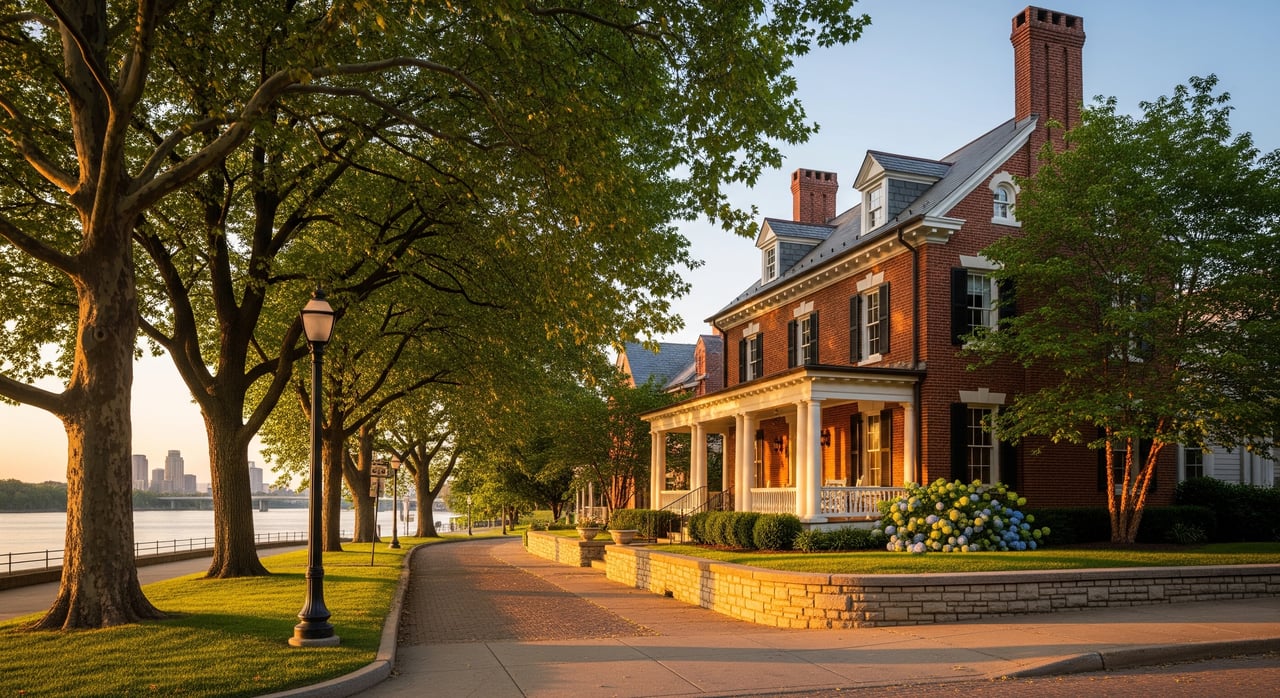
If you want character and walkability, Old Town is a standout. You’ll find late-19th and early-20th-century homes with front porches, tree-lined streets, and quick access to Main Street and the riverfront parks. Lots are typically smaller and easy to stroll, which makes day-to-day errands and evening walks simple.
Older homes can come with unique features and repair needs. If you plan updates, budget for items like masonry tuckpointing, older electrical, and exterior wood maintenance, and check whether your home sits within any local historic guidelines before starting projects.
Newer subdivisions
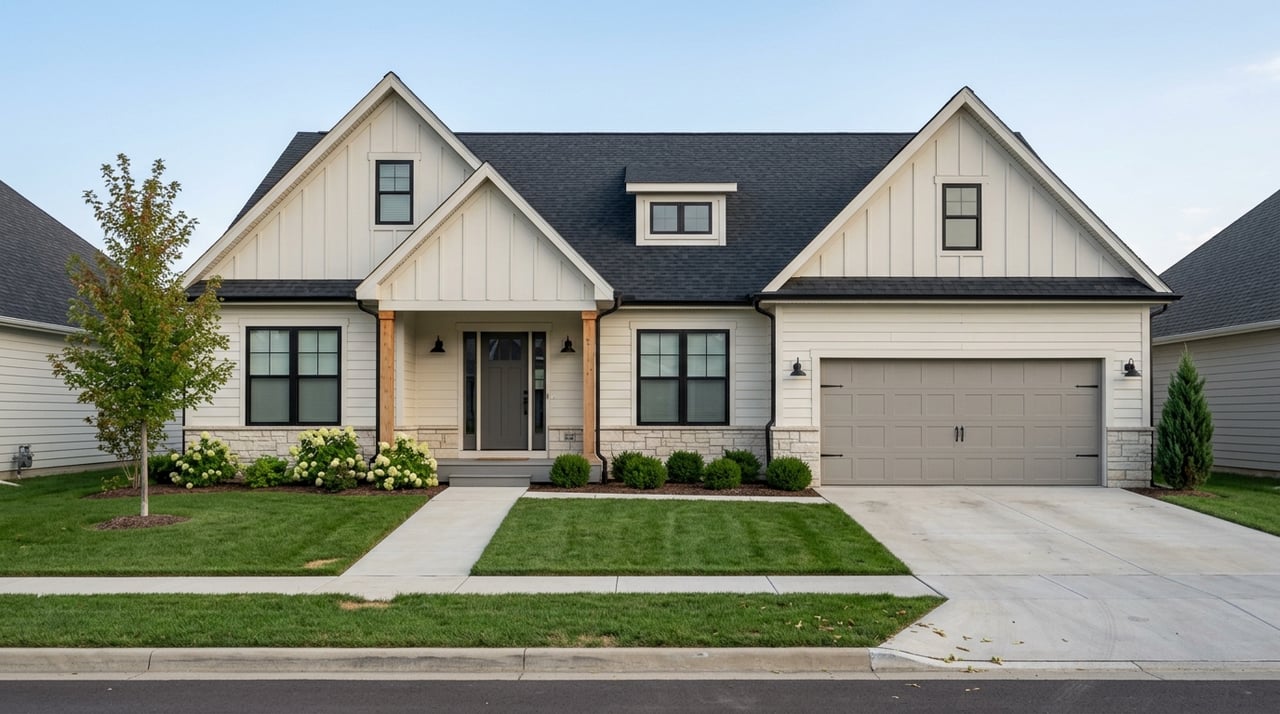
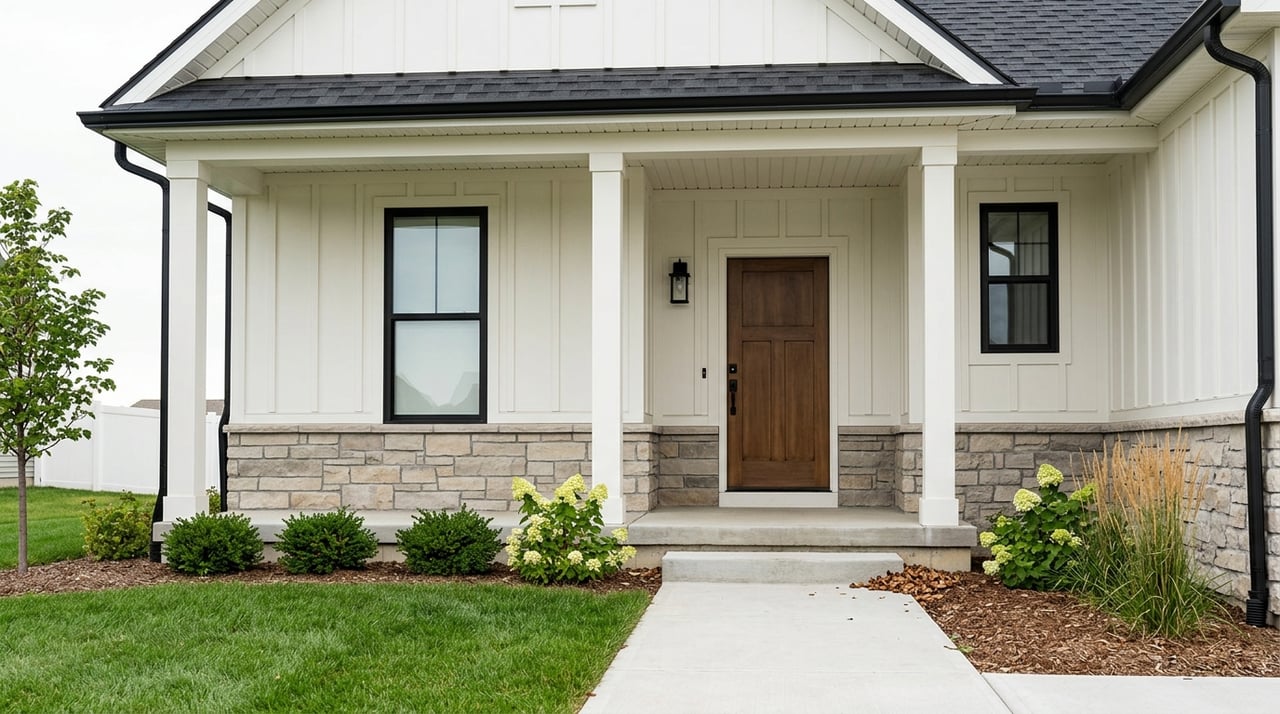
Across Parkville’s newer neighborhoods, you’ll see single-family homes built from the 1990s to today. Floor plans often favor open living areas, attached garages, and outdoor spaces sized for everyday use. Some communities include amenities and neighborhood covenants, so review any HOA documents and dues as part of your decision.
These subdivisions offer a range of lot sizes. Many buyers choose them for consistent construction, modern systems, and proximity to everyday retail in the Northland.
River and acreage options
On the edges of Parkville, you can find properties with larger lots and views toward the river valley. These homes trade walkability for privacy and space. If you value room for a workshop, RV parking, or a bigger backyard, these areas can be a good match. Confirm whether the property has city utilities or well and septic so you understand maintenance and permitting.
Condos and townhomes
Attached options are more limited but do exist near Old Town and along major corridors. These can simplify upkeep and offer a lower-maintenance lifestyle close to amenities. Review monthly fees and what they cover, and check pet or leasing policies if those matter for your plans.
Outdoor recreation and parks
English Landing and Platte Landing
Parkville’s riverfront is a daily lifestyle perk. English Landing Park and the adjacent Platte Landing Park offer multiuse trails, playgrounds, ball fields, kayak access, picnic spots, and wide-open greenspace for events. You can run, bike, walk the dog, or sit by the river and watch barges pass. It is a scenic place to unwind without driving far.
Parkville Nature Sanctuary and trails
Just up the hill, the Parkville Nature Sanctuary provides woodland hikes and nature viewing. Trails range from easy family walks to moderate routes that lead to streams and overlooks. If you value time outside, this combination of riverfront paths and wooded trails is a strong draw.
Missouri River access
Boating and paddling are part of the local rhythm for many residents. Outfitters and community groups sometimes host paddling days and clinics, and the parks provide convenient launch points when river conditions allow. Always check current water levels and safety guidance before heading out.
Old Town life and events
Old Town’s shops, eateries, cafes, and galleries create a classic Main Street experience. Seasonal events often gather at English Landing Park and throughout downtown. You’ll see farmers markets, concerts, art shows, and holiday gatherings that invite you to stroll, meet neighbors, and support local businesses.
Because schedules change, it helps to review the City of Parkville’s event calendar or local community pages for current dates each season.
Schools and learning
Most Parkville addresses are served by the Park Hill School District. Assignment boundaries vary by street, so check your specific address with the district before you make an offer. For performance data, course offerings, and extracurriculars, consult the Missouri Department of Elementary and Secondary Education along with district resources.
Park University’s main campus anchors the town center. The university supports community events and brings a student and faculty presence to everyday life, which you’ll feel in the coffee shops, parks, and local programming.
Commute and getting around
Parkville offers multiple routes into Kansas City. Depending on where you live, you may take I-29, I-435, Route 9, or Highway 45. Off-peak drives to central Kansas City can be roughly 20 to 30 minutes for many addresses. In peak traffic, plan for a longer window that can stretch to about 30 to 45 minutes or more if there are incidents or construction.
Public transit is limited compared with city neighborhoods. RideKC serves parts of the Northland, but bus frequency and direct routes from most Parkville spots are sparse. For most residents, commuting by car is the norm.
If you fly regularly, Kansas City International Airport is a practical perk. Many Parkville addresses are roughly 10 to 25 minutes from MCI by car depending on traffic and route.
Everyday essentials
Daily conveniences are close by throughout the Northland. You’ll find grocery stores, pharmacies, fitness options, and services within a short drive of most neighborhoods. Primary care and specialty clinics are available nearby, and major hospitals and specialty centers are accessible within the Kansas City metro.
City services handle typical needs like permits, utilities in city-served areas, and local police and fire. For outlying properties, confirm whether you have city water and sewer or well and septic, and note any special districts that appear on the tax bill.
Floodplain, permits, and due diligence
Parkville’s riverfront location is part of its charm, and it also calls for a careful look at flood risk. Portions of the city near the Missouri River fall within FEMA flood zones. If a property sits in a high-risk zone, your lender may require flood insurance, and you should factor that cost into your budget.
Smart steps include:
- Check the FEMA Flood Map Service Center and Platte County floodplain maps for the property’s status.
- Ask for an elevation certificate if available, or plan to order one for accurate insurance pricing.
- Review the home’s flood history and any mitigation work completed.
If you are buying in Old Town, confirm whether historic district guidelines apply. Exterior changes may need approval. For any home, review permit history with the City of Parkville, especially for additions, basement finishes, decks, or major system updates.
Property taxes vary by parcel and taxing districts. The Platte County Assessor and Treasurer can help you research exact figures for a given address so you can plan with confidence.
Is Parkville a fit for you?
If you want a slower pace, a walkable historic core, and instant access to parks and trails, Parkville checks those boxes. You also get practical commuting routes, a range of housing choices, and a community calendar that keeps weekends interesting. The key is balancing the romance of a river town with the basics like commute windows, school boundaries, and floodplain details.
If you are weighing a historic home versus newer construction, or if you need help understanding repair scopes, you do not have to go it alone. With construction fluency and Northland market expertise, our team can help you price, plan, and move forward with clarity.
Ready to explore homes in Parkville or prep your house for market? Connect with Crystal Hawkins for a friendly, practical game plan that fits your timeline and goals.
FAQs
How long is the commute from Parkville to downtown Kansas City?
- Many residents report roughly 20 to 30 minutes in light traffic and about 30 to 45 minutes during peak periods, depending on your exact start point, route, and road conditions.
Does Parkville offer public transit options to Kansas City?
- RideKC serves parts of the Northland, but routes and frequency are limited for most Parkville neighborhoods. Most commuters drive.
Which school district serves Parkville homes?
- Most addresses are served by the Park Hill School District. Always verify your specific address and school assignments with the district before you buy.
Are parts of Parkville in a floodplain near the Missouri River?
- Yes, some river-adjacent and low-lying areas fall within FEMA flood zones. Check FEMA maps, ask for elevation certificates, and factor potential flood insurance into your budget.
What types of homes are common in Parkville?
- You’ll find historic homes in Old Town, newer single-family subdivisions, river and acreage properties, and a limited number of condos and townhomes near key corridors.
How close is Parkville to Kansas City International Airport?
- Many homes are a short drive from MCI, often around 10 to 25 minutes by car depending on route and traffic.