Thinking about selling your Clay County home in the next 6 to 18 months? A few smart repairs can protect your price, speed up your sale, and cut stress during inspections. Many buyers in today’s market want move-in-ready and will pay closest attention to condition and maintenance. In this guide, you’ll learn which fixes matter most here, how to size your budget, and when it makes sense to repair, credit, or sell as-is. Let’s dive in.
Why condition matters in Clay County
Recent snapshots show Clay County listings commonly priced in the low to upper $300s. A balanced market means condition and pricing both count, with mid double-digit days on market and near 99% sale-to-list, according to the Clay County market overview. In this environment, clean inspections and strong first impressions help you stand out.
The average home here skews older, which increases the odds that roofs, HVAC, windows, and plumbing are nearing end of life. That age profile raises the chance buyers and inspectors will flag systems during due diligence, as reflected in county housing stock data. At the same time, many buyers now prioritize move-in-ready, a trend the National Association of Realtors highlights in its look at buyer and seller dynamics. Put simply, visible defects and tired systems can cost you more at the negotiating table than they cost to fix up front.
Inspection red flags to fix first
Home inspectors tend to focus on safety and major systems. Addressing these before you list reduces the risk of a buyer walking or asking for large credits. Common issues include the following, as noted by inspection guidance from AHIT:
- Roof problems: active leaks, missing flashing, damaged shingles, or evidence of long-term moisture.
- HVAC performance and age: inconsistent heating or cooling, poor maintenance, failing components.
- Electrical safety: outdated panels, missing GFCI/AFCI protection, double taps.
- Plumbing, water intrusion, and drainage: basement moisture, grading issues, failed sewer components.
- Structural signs: notable cracks or bowing that warrant a specialist.
- Deck and steps: loose rails, trip hazards, or unsafe treads.
If any of these apply, start here. Even small repairs and documentation can calm buyer concerns.
Repairs that return value here
Not all upgrades are equal. Regional Cost vs. Value data for the Kansas City area points to several high-impact, cost-effective projects, summarized on the Cost vs. Value report:
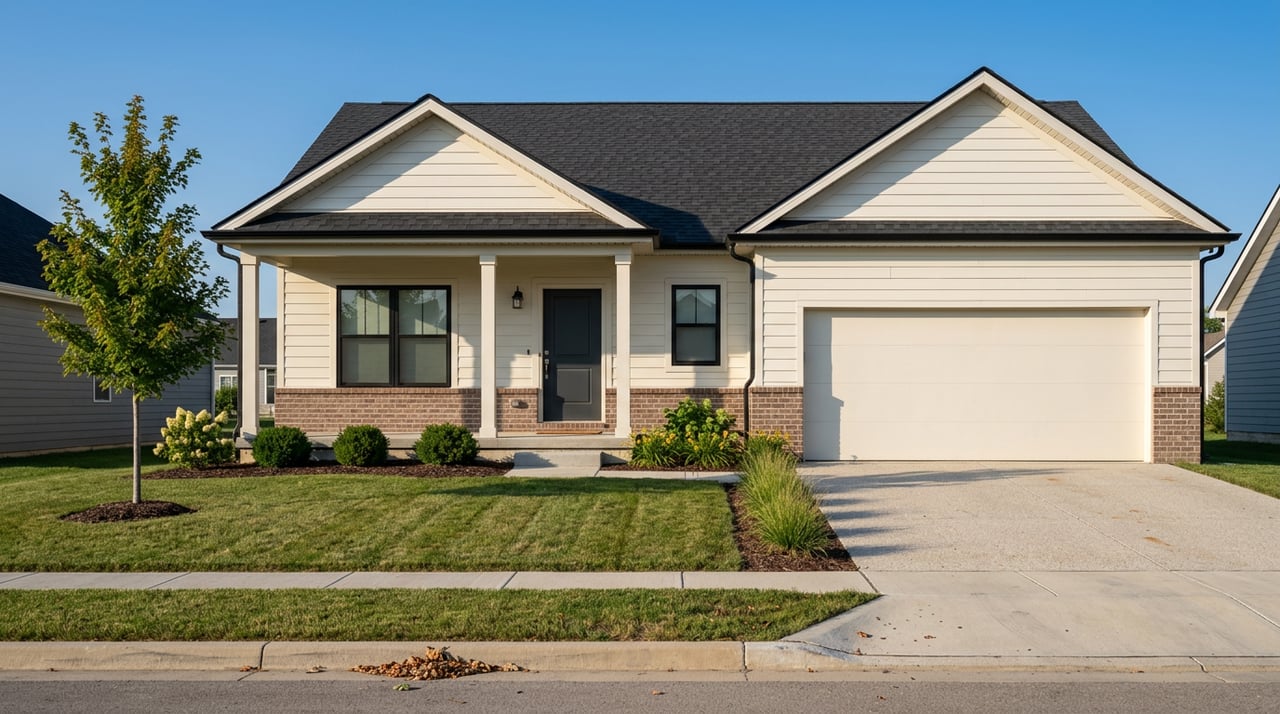
- Garage door replacement: often around 158% of cost recouped. Big curb appeal for a modest outlay.
- Steel entry door replacement: commonly above 150% recoup. Strong visual update and security signal.
- Minor kitchen refresh: typically 80 to 96% recoup depending on scope. Think paint, hardware, lighting, and small surface updates over full gut remodels.
- Roof replacement: valuable for confidence and appraisals, but resale recoup often sits near 40 to 60%. If a roof is failing, it can derail a sale, so weigh the cost against negotiation risk.
Realtors and remodelers also consistently recommend whole-home or targeted painting, fixing obvious roof issues, and prioritizing safety and functional repairs because they reduce post-offer asks. See guidance from the Remodeling Impact Report for what agents commonly suggest.
Your 6–18 month plan
A simple timeline can help you budget, book contractors, and list with confidence.
Immediate: safety and deal-stoppers
- Fix electrical hazards, gas leaks, and missing or non-working smoke and CO detectors. These are low-cost compared to the risk of a failed sale.
- Address active roof or plumbing leaks and any known water intrusion. Document what was repaired and by whom.
- Timing: 1 to 8 weeks based on contractor availability. Guidance on common red flags is summarized by AHIT.
High-priority systems
- HVAC: If your furnace or AC is near end of life or showing poor performance, consider a thorough service with documentation. Replacement can make sense if age and condition will trigger buyer demands. Typical replacement ranges are often in the mid-thousands to low five figures depending on unit size and type, per regional HVAC guidance like this industry overview.
- Foundation or structural concerns: Consult a structural engineer. If you do not fully remediate, obtain a letter and plan you can share with buyers.
- Timing: 2 to 12 weeks or more, depending on specialists and permits.
Quick curb appeal and fast ROI
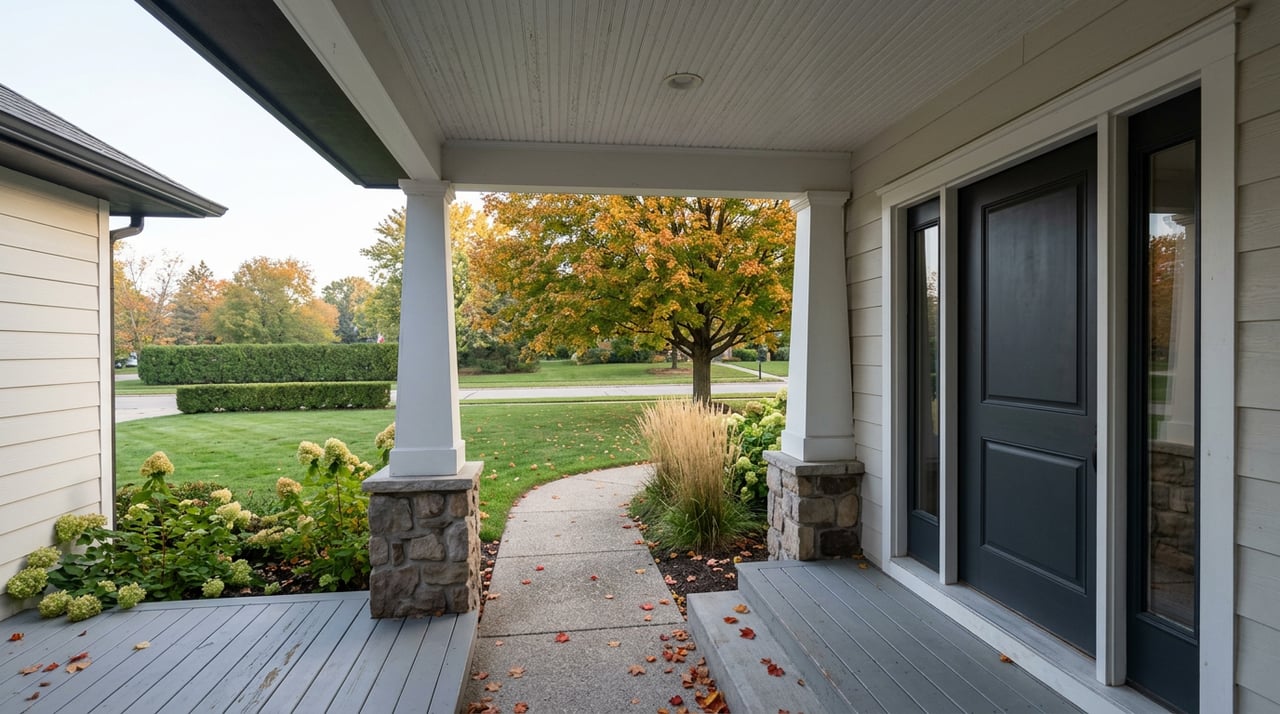
- Focus on high-visibility, lower-cost items: entry and garage doors, fresh paint, light landscaping, decluttering and staging.
- Consider a minor kitchen refresh over a major remodel to capture high buyer appeal without overspending, supported by the regional Cost vs. Value data.
- Timing: often 2 to 6 weeks before listing.
Be cautious with big remodels
- Full kitchen or bath gut projects and additions usually have lower percent recoup at resale. They are best if you plan to live in the home longer or your immediate comps clearly justify the spend. NAR and Cost vs. Value data both point to smaller, targeted replacements outperforming big renovations on percent recoup.
Budget tiers that work
Use these sample tiers to right-size your plan. Always calibrate with neighborhood comps and your agent’s advice.
- 0 to 1,000 dollars: paint key rooms, replace smoke and CO detectors, update select hardware and lighting, fresh caulk and grout. These offer low cost and high visual impact. See the Remodeling Impact Report for paint recommendations.
- 1,000 to 5,000 dollars: new entry door or hardware, garage door replacement or tune-up, minor flooring fixes, professional deep clean and staging. Cost vs. Value data supports strong returns on door replacements in the Kansas City market.
- 5,000 to 15,000 dollars: targeted HVAC repairs or a smaller replacement, exterior maintenance like localized siding work, bathroom surface refreshes. Use multiple bids and weigh buyer expectations in your subdivision.
- 15,000 dollars and up: full roof replacement or major remodels. In many Clay County neighborhoods, a healthy roof protects your deal even if the percentage recoup is below 100%, per Cost vs. Value guidance.
Permits and disclosures in Clay County
Pulling the right permits and providing clear disclosures helps you avoid delays at closing.
- Permits and codes: Unincorporated Clay County follows standard ICC and NFPA building codes and requires permits for structural, electrical, plumbing, and mechanical work. Start with the county’s Building Codes page. If you are inside a municipality such as Liberty, check the city’s Building and Inspections portal for local processes. Unpermitted work can become a closing issue, so verify scope before you begin.
- Missouri seller disclosures: Most sellers complete a Missouri Seller’s Disclosure with addenda when applicable, such as well or septic, pool, and the federal lead-based paint form for homes built before 1978. Access common forms through Sellers Shield’s Missouri forms index. Clear, complete disclosures reduce renegotiation risk.
Decide: repair, credit, or sell as-is
Use these quick rules when choosing a path:
- Repair items that are safety hazards, code issues, structural concerns, or active water intrusion. These are typical deal-killers, as inspection resources like AHIT note.
- Favor projects that reduce buyer uncertainty, have regional ROI support, or speed time on market. Examples include paint, curb appeal updates, and door replacements backed by Cost vs. Value data.
- If a repair is very expensive and local comps support an as-is price, consider selling with full transparency. Get contractor estimates, include them with your disclosure package, and be clear about condition using the Missouri forms.
Seven quick fixes before you list
- Test and replace smoke and CO detectors as needed.
- Address any active roof or plumbing leaks and keep receipts.
- Schedule an HVAC tune-up and replace filters.
- Add GFCI protection at kitchens, baths, garages, and exteriors where missing.
- Paint scuffed walls in neutral tones and remove busy window treatments.
- Refresh landscaping: trim shrubs, add fresh mulch, edge the lawn, and power-wash the entry.
- Organize your paperwork: permits, invoices, warranties, and service logs. Clear documentation reassures buyers and lenders.
How Crystal Homes KC can help
You do not have to project-manage this alone. With deep Northland experience and construction fluency, our process helps you target the right repairs, coordinate bids, confirm permit needs, and stage for maximum impact. We can also line up pre-listing inspections, manage vendor schedules, and keep remote or relocating owners in the loop. When you are ready to list, we market through MLS and portal syndication with clear, confidence-boosting documentation for buyers.
Ready to map your pre-sale plan with a local, hands-on guide? Schedule a Free Consultation with Crystal Hawkins to get a prioritized checklist, contractor referrals, and pricing guidance for your neighborhood.
FAQs
What pre-sale repairs matter most for Clay County homes?
- Focus on safety and systems first, then high-ROI curb appeal like garage and entry doors, fresh paint, and minor kitchen refreshes supported by regional Cost vs. Value data.
How should I budget for HVAC before selling in Clay County?
- Start with a full service and documentation; replacement can run mid-thousands to low five figures depending on size and type, based on regional HVAC guidance, so compare bids and buyer expectations.
Do I need permits for pre-sale repairs in Clay County, MO?
- Yes for structural, electrical, plumbing, and mechanical scopes in unincorporated areas and most cities; check the county Building Codes page and your city’s permit portal before work.
Is a new roof worth it before listing my Clay County house?
- If the roof is failing, repairs or replacement can protect the sale even if percent recoup may be 40 to 60 percent; weigh cost against buyer and lender concerns and share documentation.
Should I do a full kitchen remodel before I sell in the Northland?
- Usually no; a minor refresh often returns a higher percentage than a full gut, so update paint, hardware, lighting, and surfaces rather than reconfiguring the entire space.